Is it safe to share your BSB and bank account number?




Worried about giving someone a BSB and bank account number? Here is when it's safe, the real risks, and how PayID and the NPP can protect personal finances.
Financial transactions have evolved dramatically from the days of chequebooks and handwritten forms. Payments now move instantly through apps, online banking and mobile devices. But with convenience comes risk. Many people either fall prey to scams or avoid useful payment tools out of fear.
One common concern keeps coming up: is it safe to give someone a BSB and account number? According to banks and security experts, the short answer is yes - with limits.

At a glance
- Sharing a BSB and account number is generally safe; they can be used to deposit funds, not withdraw them.
- Scammers often use emotional stories to trick sellers into sharing details.
- The New Payments Platform (NPP) and PayID added safety features but are not immune to data breaches.
- Unauthorised direct debits are possible but banks must reverse them when reported.
- Red flags and monitoring habits can dramatically reduce fraud risk.
When an online sale raised alarm bells
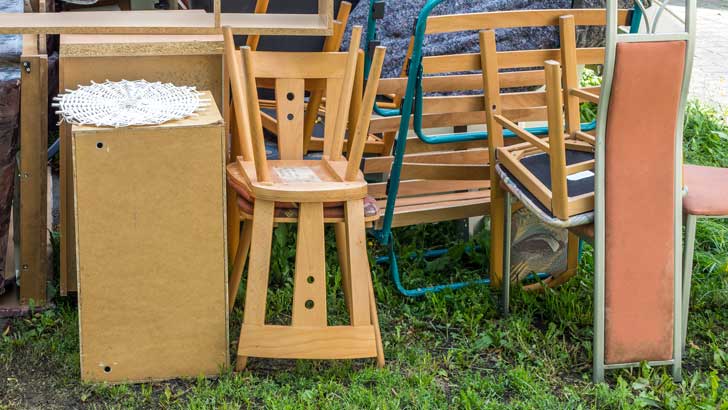
When a member of the Money team listed second-hand furniture online, they found themselves wondering whether it was risky to share bank details for a bank transfer.
Within 30 minutes of posting the ad, she received a message from "Anita." Anita asked if the item was available and asked to communicate off the sale platform.
What followed matched classic scam patterns.
Anita claimed to work offshore on an oil rig for New Zealand Oil & Gas and said she could not take calls. She would send a courier and pay via bank transfer.
A quick check of the company's website revealed a scam warning clearly stating they did not employ offshore staff. Anita's story was a recycled fraud script. Eventually, she would have asked for courier fees upfront - promising reimbursement later.
The experience prompted a bigger question: is sharing bank details safe in the modern payment era?
Is it actually safe to share bank account numbers?
Banks say yes - with specific cautions.
"There is no issue in giving out your BSB/account details as it's only possible to deposit funds rather than withdraw funds," an ING spokesperson explained. "If an unauthorised debit occurs then the debiting institution is liable."
Mozo's banking specialist Peter Marshall agrees, noting that while unauthorised direct debits can occur, Australian banks are required to verify signatures and maintain fraud-detection systems.
Still, sellers should remain alert. While bank account details alone cannot give someone access to funds, they can be misused to attempt a fraudulent direct debit. Regular account monitoring helps detect issues early.
ING and Commonwealth Bank both stress the same rule: share bank account details only when there is a genuine need.
What about credit cards?
Credit cards require stricter protection:
- Only use them on secure, trusted websites.
- Never email your card details.
- Only provide card information over the phone to a verified merchant.
Does the New Payments Platform (NPP) make transactions safer?
Introduced in 2018, the NPP, Australia's standardised fast-payments system, powers PayID - which allows payments to be made using a phone number or email instead of a BSB and account number.
However, the early months of the NPP highlighted real security concerns.
Soon after launch, several financial institutions experienced breaches that exposed thousands of PayIDs - a significant data theft incident.
Importantly, no money was stolen, only contact details.
When someone creates a PayID, their bank requires identity verification to prove ownership of both the personal information and the linked bank account. Users also choose what name appears to payers, and anyone sending money must confirm that name before completing a transfer.
"This additional confirmation step was intentionally built into the NPP payment process to reduce the likelihood of mistaken payments," an NPP spokesperson said.
Most Australian banks were required to demonstrate real-time fraud detection capabilities before gaining access to the NPP network, adding extra layers of protection.
Real-world risks: what can scammers do with your details?
High-profile cases show that sharing account numbers is not completely risk-free. For example, when then Top Gear presenter Jeremy Clarkson once published his bank details in a newspaper to prove they were harmless, someone used them to set up an unauthorised direct debit to a charity.
While such cases are rare in Australia due to verification requirements, unauthorised debits still occasionally occur - and must be reversed by the debiting institution once reported.
To limit exposure, consumer advocates suggest opening a separate "receive-only" bank account for online marketplace sales.
Red flags: what should consumers watch for?
The Australian Government's Moneysmart website outlines classic signs of fraud, including:
- Payments to people or companies you don't know
- Cash withdrawals from unfamiliar locations
- Transactions dated on days you didn't use your account
- Payments that appear twice
- Buyers who avoid normal communication or push for urgency
- Stories involving couriers, offshore workers, or complicated excuses
The seller's final outcome
In the end, the seller avoided the scammer. The bed was sold to a genuine buyer in Victoria who chose to pay the old-fashioned way - by cheque.

Checklist: How to keep your money safe when sharing bank details
Before sharing your BSB and account number:
- Confirm the identity and legitimacy of the person or business
- Avoid high-risk scenarios involving couriers or offshore stories
- Google the buyer's email, name or phone number to check for scam reports
- Avoid rushed decisions and pressure tactics
- Follow the platform's recommended payment methods
When sharing details:
- Only give your BSB and account number
- Never share login details, one-time codes or ID copies
- Use PayID where possible
- Consider using a separate "marketplace" bank account
- Reject requests to pay courier fees or refunds
After sharing details:
- Monitor your account daily
- Know your bank's policy on reversing fraudulent debits
- Report suspicious activity to your bank and Scamwatch immediately
Get stories like this in our newsletters.

 Reply
Reply